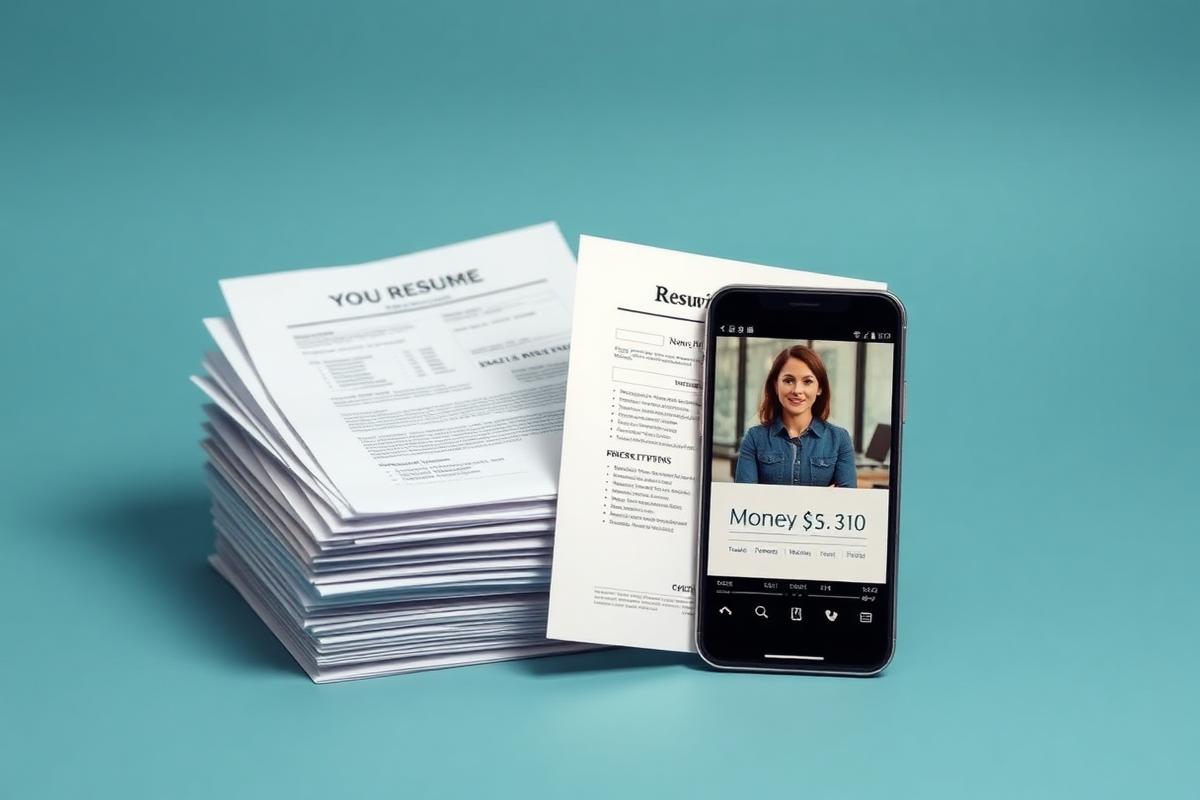
turrior vs Meta ads: paying for clicks vs paying for screened applicants
Running Facebook and Instagram ads for a role means ad spend, landing pages, and unqualified leads. turrior's agent finds and video-screens real applicants for $1 per screening — no ad account required.

A growing number of small businesses try to hire through Facebook and Instagram ads. It is understandable — the targeting is powerful and everyone is already there. But ads were built to sell products, and hiring through them inherits all the machinery of marketing: creative testing, landing pages, lead forms, and a cost per lead that buys you a name and an email, not a vetted applicant.
What Meta ads actually cost you
- Ad spend of $10–$30+ per lead before any screening happens
- A landing page and application funnel you build and maintain yourself
- Leads who tapped an ad between photos — many never intended to apply seriously
- No verification: you get contact details, then start screening from zero
Pay for the result, not the click
turrior inverts the model. The AI agent goes to where job seekers already are — 200+ job boards — and instead of charging you for impressions and clicks, it charges $1 per completed video screening. You are not buying attention and hoping it converts. You are buying finished, watchable screenings of people who applied on purpose.
- No ad account, no creatives, no landing page to build
- Every applicant is screened on video before you spend a minute
- $1 per screening with no subscription — predictable, capped, per-result
- You review the full queue and pick who you like: full control from first video to offer
Intent beats targeting
Meta's targeting can find people who look like your ideal candidate. Job boards find people who are actively looking. An applicant who chose your role and recorded a video interview will outperform a distracted scroller at every step that matters — showing up to the interview, accepting the offer, staying past month three.
“Every applicant arrived already screened on video. My shortlist took twenty minutes instead of two weeks.”